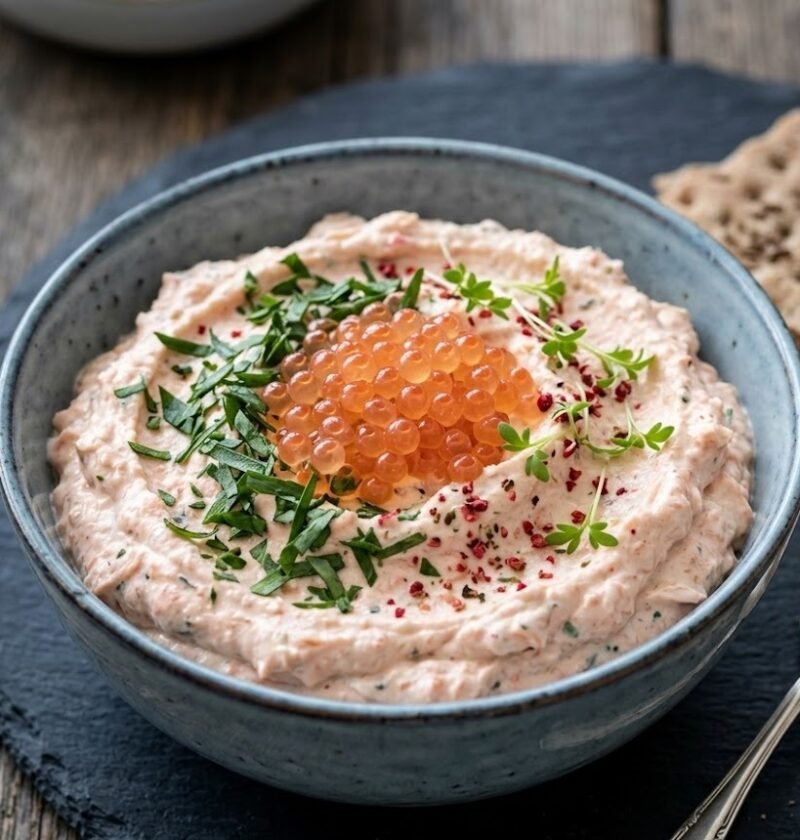
This Mary Berry salmon mousse recipe is a beautifully light, silky starter that melts on the tongue with every spoonful. Made with poached salmon, cream cheese, and a hint of lemon, the mousse has a delicate, refreshing flavour that feels elegant without being fussy. It is surprisingly simple to prepare, making it perfect for beginners and confident cooks alike. With about 30 minutes of hands-on work plus chilling time, you can have an impressive dish ready for any lunch, dinner party, or weekend gathering.
Whether you are looking for a classic British starter, a buffet centrepiece, or a light summer lunch served with crusty bread and salad, this salmon mousse delivers on every front. Mary Berry’s approach keeps things unfussy and reliable, so you get consistent results with minimal effort. The combination of flaked salmon, whipped cream, and gelatine creates a mousse that holds its shape beautifully when turned out, yet feels wonderfully airy on the palate.
What Is Mary Berry Salmon Mousse and How Does It Taste?
Mary Berry’s salmon mousse is a cold set mousse made with cooked salmon, cream cheese, double cream, lemon juice, and gelatine. It is a quintessential British entertaining dish that has graced dinner tables for decades, and Mary Berry’s version is one of the most trusted recipes around.
The texture is incredibly smooth and cloud-like, sitting somewhere between a pâté and a soufflé. Each bite delivers a clean salmon flavour brightened by lemon and softened by the richness of cream cheese and whipped double cream. A touch of white pepper adds warmth without heat, and fresh dill lifts the whole dish with a gentle herbal note.
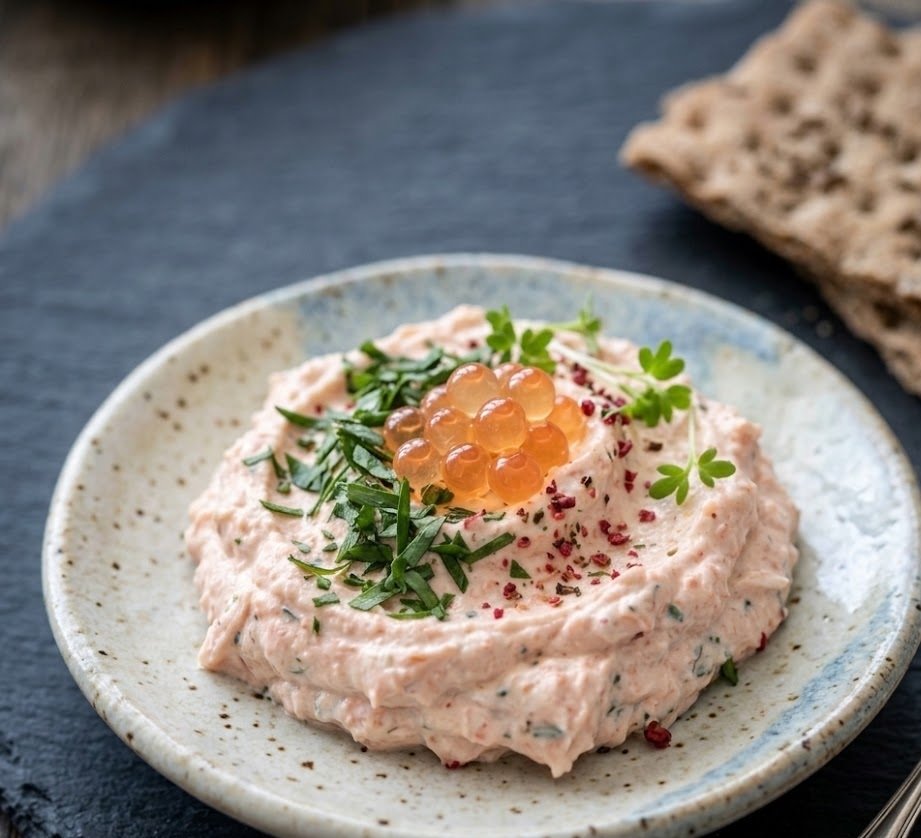
When set in a mould or ramekins and turned out, the mousse holds a beautiful shape with a pale pink colour that looks stunning on any plate. Served with thin toast, cucumber slices, or a simple dressed salad, it makes a starter that feels restaurant-quality yet takes very little skill to pull together.
Ingredients
For the Salmon Base
- 350g fresh salmon fillets (skin removed)
- 150ml dry white wine
- 150ml water
- 1 bay leaf
- 4 black peppercorns
- 1 small shallot, sliced
For the Mousse
- 200g full-fat cream cheese, softened
- 150ml double cream
- 2 tablespoons lemon juice (about 1 lemon)
- 1 tablespoon fresh dill, finely chopped (plus extra for garnish)
- ½ teaspoon salt
- ¼ teaspoon white pepper
- 1 sachet (about 11g) powdered gelatine
- 3 tablespoons cold water (for blooming the gelatine)
For Serving
- Melba toast or thin slices of brown bread
- Lemon wedges
- Cucumber slices
- Fresh dill sprigs
- Light olive oil for greasing (optional)
Kitchen Utensils
- Medium saucepan with lid
- Food processor or hand blender
- Large mixing bowl
- Electric hand whisk
- Small heatproof bowl
- Spatula
- 900ml mould, ring tin, or 6 individual ramekins
- Cling film
Preparation and Cooking Time
- Prep Time: 25 minutes
- Cook Time: 10 minutes
- Chilling Time: 4 hours (or overnight)
- Total Time: 4 hours 35 minutes
- Servings: 6
How to Make Mary Berry Salmon Mousse
- Poach the salmon: Place the salmon fillets in a medium saucepan. Add the white wine, water, bay leaf, peppercorns, and sliced shallot. Bring to a gentle simmer over medium heat, then reduce the heat to low, cover with a lid, and poach for 8 to 10 minutes until the salmon is just cooked through and flakes easily with a fork. Remove the salmon from the liquid and set aside to cool. Strain and reserve 3 tablespoons of the poaching liquid.
- Bloom the gelatine: While the salmon cools, sprinkle the powdered gelatine over 3 tablespoons of cold water in a small heatproof bowl. Let it sit for 5 minutes until it becomes spongy. Then place the bowl over a pan of simmering water (or microwave in 10-second bursts) and stir gently until the gelatine is completely dissolved and clear. Do not let it boil. Set aside to cool slightly.
- Blend the salmon base: Flake the cooled salmon into a food processor, removing any remaining bones or skin. Add the cream cheese, lemon juice, reserved poaching liquid, salt, and white pepper. Blend until smooth and well combined. You want a velvety mixture with no large chunks remaining. Transfer to a large mixing bowl and stir in the chopped dill.
- Whip the cream: In a separate bowl, whip the double cream using an electric hand whisk until it reaches soft peaks. The cream should hold its shape gently when you lift the whisk but still look billowy and smooth. Be careful not to over-whip it, as stiff cream will make the mousse dense rather than light.
- Combine with gelatine: Pour the dissolved gelatine in a thin, steady stream into the salmon mixture, stirring constantly so it incorporates evenly. Work quickly here, as the gelatine can set in streaks if the mixture is too cold. Make sure everything is well blended before moving on.
- Fold in the cream: Using a large metal spoon or spatula, fold the whipped cream into the salmon and gelatine mixture. Use gentle, sweeping motions to keep as much air in the mousse as possible. Fold until no white streaks remain and the mixture is an even pale pink colour throughout.
- Set the mousse: Lightly oil your mould or ramekins with a thin layer of flavourless oil, or line with cling film for easy turning out. Pour the mousse mixture into the prepared mould, smoothing the top with a spatula. Cover with cling film and refrigerate for at least 4 hours, or ideally overnight, until the mousse is completely firm and set.
- Turn out and serve: To unmould, dip the base of the mould briefly in warm water for about 10 seconds, then invert onto a serving plate. Give it a gentle shake and the mousse should release cleanly. Garnish with fresh dill sprigs, lemon wedges, and cucumber slices. Serve with Melba toast or thinly sliced brown bread.
Tips for the Perfect Salmon Mousse
What if my mousse has a rubbery texture?
A rubbery mousse usually means too much gelatine was used or the cream was not whipped to the right stage. Always measure gelatine carefully using the exact amount specified. Whip your cream only to soft peaks, never stiff peaks. The air held in softly whipped cream is what gives the mousse its delicate, melt-in-the-mouth quality. Overworked cream collapses and creates a dense, bouncy texture instead.
Can I use tinned salmon instead of fresh?
You can use tinned salmon if fresh is not available. Choose good quality tinned red or pink salmon and drain it thoroughly. Skip the poaching step and use 3 tablespoons of fish stock or water mixed with a squeeze of lemon as your liquid instead. The flavour will be slightly different, but the mousse will still set and taste very good. Remove all bones and skin before blending.
How do I stop the mousse from sticking to the mould?
The easiest method is to line your mould with cling film, leaving enough overhang to help lift the mousse out. If you prefer a cleaner finish, brush the inside of the mould with a very thin layer of flavourless oil (such as sunflower or vegetable oil). When turning out, dip the mould in warm water for no more than 10 seconds and give it a confident shake onto the plate.
Why did my gelatine go lumpy?
Gelatine goes lumpy when it is added to a mixture that is too cold, causing it to set instantly in uneven clumps. To avoid this, make sure both the dissolved gelatine and the salmon mixture are at a similar lukewarm temperature before combining. Pour the gelatine in a thin stream while stirring constantly. If lumps do form, you can briefly and gently warm the mixture over a bowl of warm water while whisking to smooth it out.
Can I make this mousse ahead of time?
Absolutely, and in fact it benefits from being made ahead. Prepare the mousse a day before serving and keep it covered in the fridge. This gives it plenty of time to set firmly and allows the flavours to develop fully. Simply turn it out and garnish just before serving for a stress-free starter.
Serving Suggestions
- Serve sliced on individual plates with Melba toast, a wedge of lemon, and a small handful of peppery watercress for a classic dinner party starter.
- Pair with thinly sliced brown bread and butter, cucumber ribbons, and a sprinkle of capers for an elegant light lunch.
- Set the mousse in individual ramekins and serve straight from the dish with breadsticks and a lightly dressed green salad on the side.
- Add to a cold buffet spread alongside smoked salmon, prawns, new potato salad, and a selection of fresh breads.
- Spoon the mousse onto blinis or crackers and top with a tiny sprig of dill and a drop of lemon juice for easy canapés.
- Serve alongside a chilled cucumber soup for a refreshing summer menu that comes together quickly and looks impressive.
Storage
Refrigerator
Store the salmon mousse in the refrigerator covered tightly with cling film or in an airtight container. It will keep well for up to 3 days. If you have already turned it out onto a plate, cover it gently with a dome or large bowl to prevent it from drying out or absorbing fridge odours. The mousse tastes best within the first 2 days when the flavour and texture are at their peak.
Room Temperature
Salmon mousse should not be left at room temperature for longer than 2 hours, as it contains dairy and fish. If serving at a buffet or gathering, bring it out of the fridge just before guests arrive and return any leftovers to the fridge promptly. In warm weather, keep the serving time even shorter to maintain food safety.
Freezing
Freezing is not recommended for this mousse. The gelatine and whipped cream structure does not hold up well after thawing, and the texture can become grainy and watery. For the best results, make the mousse fresh and enjoy it within 3 days. If you want to plan ahead, you can poach and flake the salmon in advance, then store it in the fridge for up to 2 days before assembling the mousse.
Nutrition Information
The following values are approximate and based on one serving (recipe makes 6 servings).
- Calories: 320 kcal
- Carbohydrates: 2g
- Protein: 22g
- Fat: 24g
- Saturated Fat: 13g
- Sodium: 310mg
These nutritional values are estimates only. Actual values may vary depending on specific ingredients, brands, and portion sizes used.
Frequently Asked Questions
Can I use smoked salmon instead of fresh salmon?
Yes, you can use smoked salmon for a more intense, smoky flavour. Since smoked salmon is already cooked, skip the poaching step entirely. Simply blend the smoked salmon with the cream cheese, lemon juice, and seasonings. You may want to reduce the salt slightly, as smoked salmon is naturally saltier than fresh.
What is the best mould to use for salmon mousse?
A 900ml ring mould or a round springform tin works beautifully and gives the mousse an impressive shape when turned out. Individual ramekins or dariole moulds are also a great option for plated starters. Whatever you choose, lightly oil the inside or line with cling film for easy release.
Can I make this salmon mousse without gelatine?
Without gelatine, the mousse will not hold its shape when turned out. However, you can skip the gelatine and serve the mixture as a soft salmon pâté or dip in a bowl or ramekin instead. The flavour will be just as delicious, though the texture will be softer and more spreadable.
Is this salmon mousse suitable for a dinner party?
This is one of the best dinner party starters you can make. It is prepared entirely in advance, needs no last-minute cooking, and looks stunning on the plate. Simply turn it out, garnish, and serve. Your guests will be impressed, and you will be relaxed and ready to enjoy the evening.
Can I add prawns or other seafood to the mousse?
You can fold in small cooked prawns or crabmeat after blending the salmon base for added texture and flavour. Chop them finely so they distribute evenly through the mousse. This variation works particularly well for a seafood buffet or special occasion starter.

Mary Berry Salmon Mousse Recipe
Course: StarterCuisine: BritishDifficulty: Easy4
servings30
minutes40
minutes300
kcal1
hour10
minutesA beautifully light and silky salmon mousse made with poached salmon, cream cheese, whipped cream, and a hint of lemon. This classic Mary Berry recipe is perfect as an elegant starter or buffet centrepiece.
Ingredients
350g fresh salmon fillets, skin removed
150ml dry white wine
150ml water
1 bay leaf
4 black peppercorns
1 small shallot, sliced
200g full-fat cream cheese, softened
150ml double cream
2 tablespoons lemon juice
1 tablespoon fresh dill, finely chopped
½ teaspoon salt
¼ teaspoon white pepper
1 sachet (11g) powdered gelatine
3 tablespoons cold water for blooming gelatine
Melba toast or brown bread for serving
Lemon wedges and cucumber slices for garnish
Directions
- Poach the salmon in white wine, water, bay leaf, peppercorns, and shallot over low heat for 8 to 10 minutes until just cooked through. Remove and cool. Reserve 3 tablespoons of poaching liquid.
- Sprinkle gelatine over 3 tablespoons of cold water and let it bloom for 5 minutes. Dissolve over simmering water or in the microwave in short bursts until clear. Set aside to cool slightly.
- Flake the cooled salmon into a food processor. Add cream cheese, lemon juice, reserved poaching liquid, salt, and white pepper. Blend until smooth. Transfer to a large bowl and stir in the chopped dill.
- Whip the double cream to soft peaks using an electric hand whisk. Do not over-whip.
- Pour the dissolved gelatine in a thin stream into the salmon mixture, stirring constantly to combine evenly.
- Fold the whipped cream into the salmon mixture gently using a spatula until no white streaks remain.
- Pour the mousse into a lightly oiled or cling film-lined mould. Cover with cling film and refrigerate for at least 4 hours or overnight until set.
- Dip the mould briefly in warm water, invert onto a serving plate, and garnish with fresh dill, lemon wedges, and cucumber slices. Serve with Melba toast or brown bread.
Notes
- Make sure the gelatine and salmon mixture are at similar temperatures before combining to avoid lumps.
- Soft peaks in the cream are essential for a light, airy texture.
- This mousse can be made a full day ahead and kept refrigerated until serving.
- Do not freeze, as the texture will be compromised upon thawing.
“`